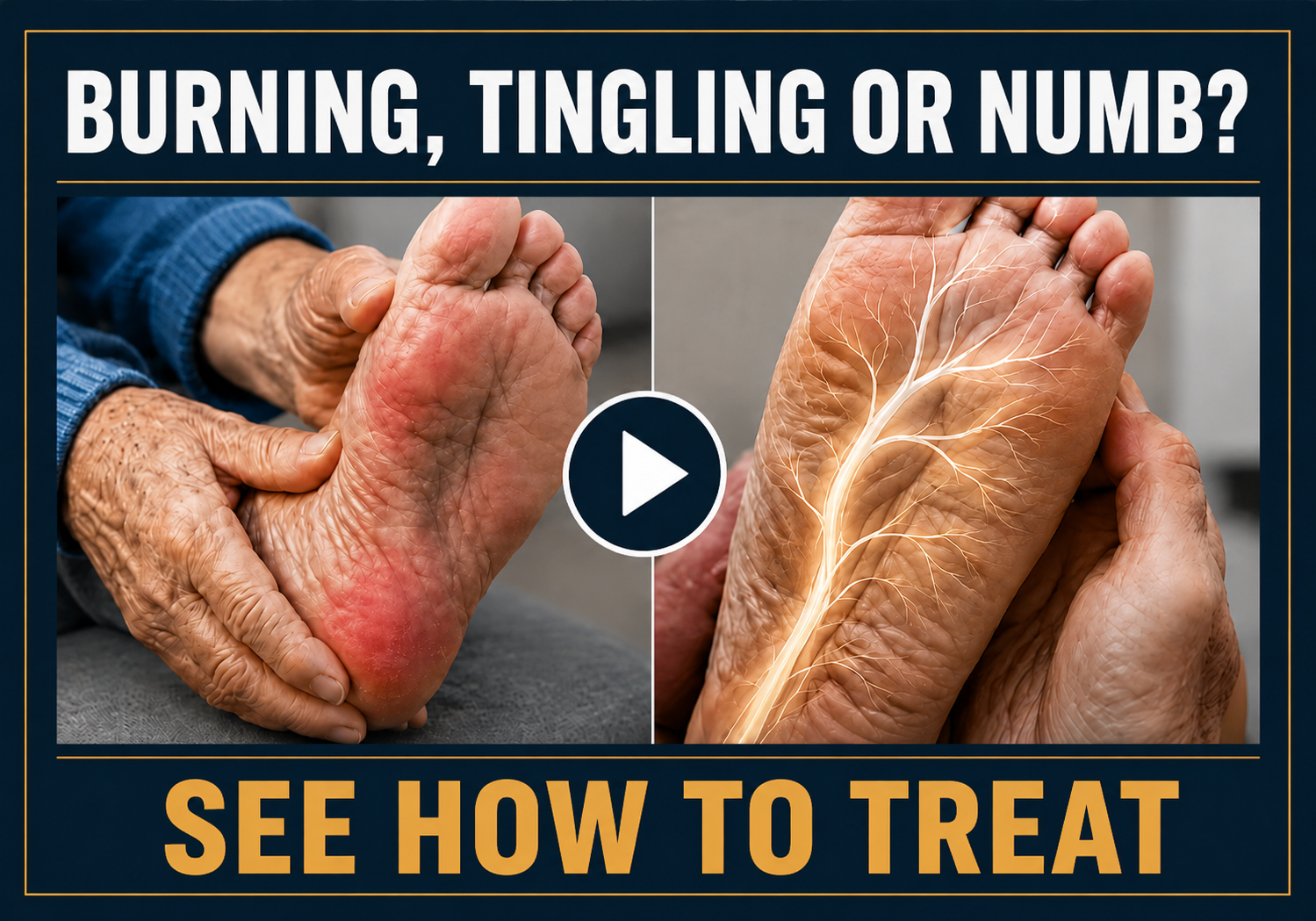
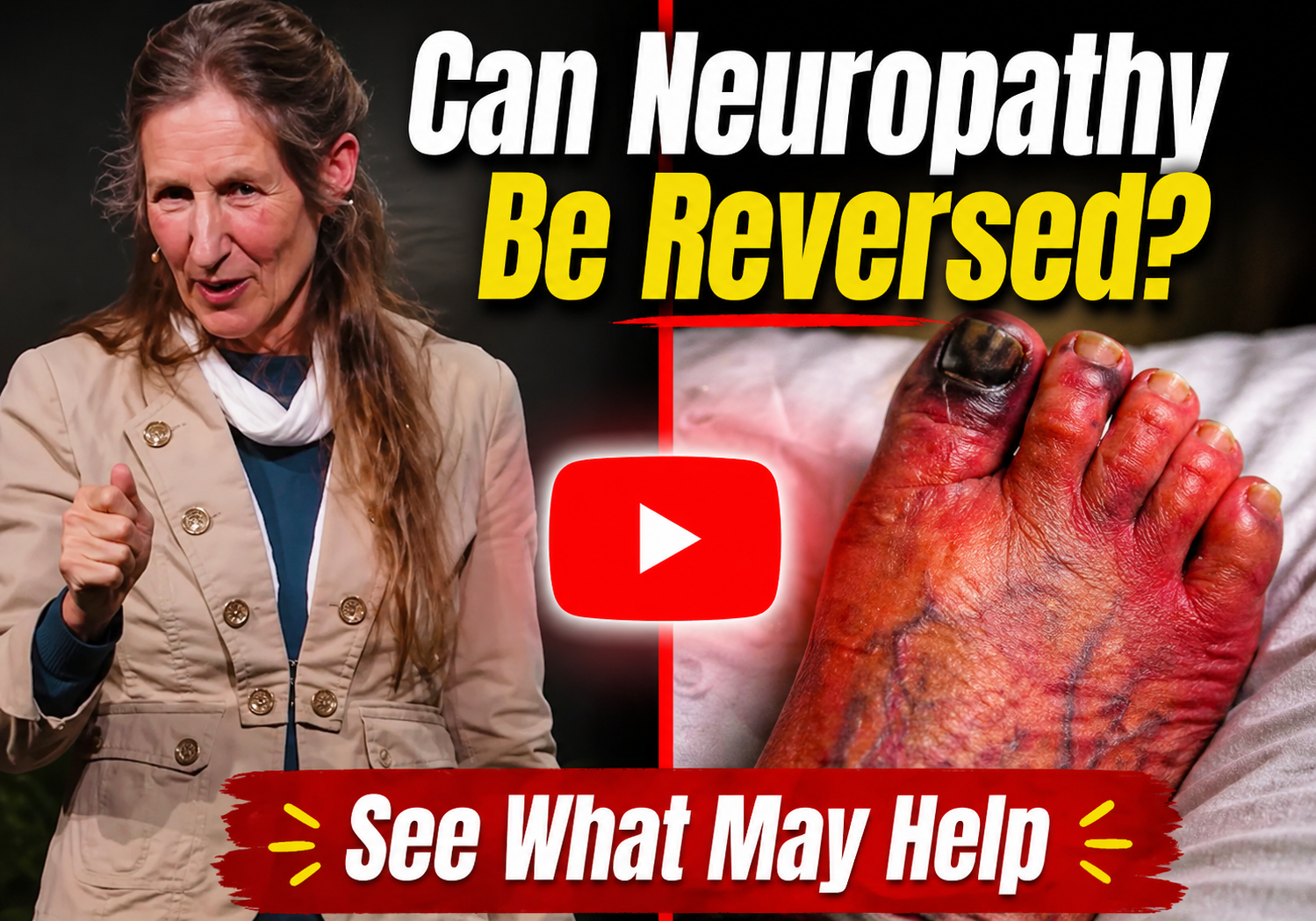
Burning, Tingling, or Numb Feet at Night? Don’t Ignore These Warning Signs

Burning, tingling, pain, numbness, and weakness are signs associated with peripheral neuropathy.

Loss of feeling in the feet can make cuts, blisters, and sores harder to notice, increasing the risk of serious foot problems.

In this video, you’ll see what these symptoms indicate and how neuropathy treatment in the feet and legs should be approached.

imag-sciatica-pain-relief

Treatment For Neuropathy In Feet Starts With These Warning Signs

Pay attention if these symptoms keep coming back:

Burning sensation in the feet or legs

Tingling or pins and needles at night

Numbness in the feet or toes

Sharp, stabbing, or electric like nerve pain

Weakness, balance issues, or trouble walking

Symptoms that slowly move upward

When burning feet, numb feet, tingling, or nerve pain in feet keeps returning, it can be a sign that your foot nerves are already under stress.

The danger is that many people wait until walking feels harder, balance feels less steady, or the numbness starts affecting daily confidence.

In the video, you’ll see what these symptoms indicate and how neuropathy in the feet and legs should be approached before it starts limiting your independence.

Can Neuropathy In Feet Get Worse If You Ignore It?

When these symptoms keep returning, pay attention:

When these symptoms keep returning, pay attention:

❌ Burning pain can become harder to ignore at night

❌ Numbness can make your steps feel less certain

❌ Tingling can turn into constant nerve discomfort

❌ Balance and walking confidence can start to decline

❌ Daily independence can slowly become harder to protect

The problem is that neuropathy in feet often gets taken seriously too late.

In the video, you’ll see what happens when neuropathy symptoms are ignored and how treatment for neuropathy in feet and legs should be approached before it starts taking more from your life.

Before Burning Feet Becomes Harder To Control

The Centers for Disease Control and Prevention warns that pain or numbness in the feet should be taken seriously when it appears with sores, swelling, wounds, or visible changes in the feet.Watch the detailed video where Barbara O’Neill explains what these signs indicate and how neuropathy in the feet and legs should be addressed before it becomes harder to control.

imag-sciatica-pain-relief
Burning Feet, Numb Feet, and Neuropathy FAQ
FAQ

Burning Feet, Numbness, and Neuropathy Questions

What can i do about burning feet

Burning feet is a nerve warning sign, not just normal tiredness. The CDC (Centers for Disease Control and Prevention) lists burning, tingling, pain, and numbness as signs of nerve damage, especially when symptoms affect sleep or daily activity. The video explains why this signal deserves attention before it starts interfering with walking, balance, and independence.

What medicine is good for burning feet

There is no one best medicine that solves burning feet for everyone. Mayo Clinic states that prescription medicines are used for diabetes-related nerve pain, but they do not work for everyone. The video explains why silencing the burning is different from understanding why the nerves keep sending that signal.

What is the best medicine for numbness in feet

Numbness means your feet are losing protective sensation. The CDC (Centers for Disease Control and Prevention) warns that when you cannot feel cuts, blisters, or sores, small problems can become infected and harder to heal. The video explains why this symptom should be taken seriously before it begins limiting your balance and routine.

What helps neuropathy in feet

Neuropathy in the feet needs attention because it is linked to nerve damage that usually starts in the feet and can affect walking, feeling, and stability. The NIDDK (National Institute of Diabetes and Digestive and Kidney Diseases) states that peripheral neuropathy affects the feet and legs and is common in people with diabetes. The video explains what this means before the symptoms progress.

How to cure numbness in feet

Numbness in the feet is not a harmless inconvenience. The NIDDK (National Institute of Diabetes and Digestive and Kidney Diseases) explains that loss of feeling can stop a person from noticing a pebble, blister, cut, or sore — and those injuries can become infected. The video explains why loss of sensation should not be ignored.

How to treat nerve pain in foot at home

Nerve pain in the foot should not be treated like ordinary soreness. The CDC (Centers for Disease Control and Prevention) lists pins and needles, pain at night, numbness, weakness, and serious foot problems as signs connected to peripheral nerve damage. The video explains what needs to be understood before depending only on temporary relief at home.

What helps with pins and needles in feet

Pins and needles are abnormal nerve signals. The CDC (Centers for Disease Control and Prevention) lists “tingling” and “pins and needles” as symptoms of peripheral nerve damage. The video explains why this signal matters when it keeps returning or starts spreading.

Is foot numbness dangerous

Yes. Foot numbness is dangerous because it can stop you from feeling wounds, sores, or injuries. The CDC (Centers for Disease Control and Prevention) warns that diabetes-related nerve damage and poor blood flow can increase the risk of infection and amputation. The video explains why numbness matters for mobility and independence.

What causes nerve damage in feet

In diabetes, high blood sugar and high blood fats can damage nerves and the small blood vessels that feed them. The NIDDK (National Institute of Diabetes and Digestive and Kidney Diseases) explains that this damage often affects the feet and legs first. The video explains why burning, tingling, numbness, and sharp pain should not be treated as random symptoms.

What are the early signs of neuropathy

Early signs include tingling, pins and needles, burning pain, numbness, weakness, and pain that is worse at night. Mayo Clinic also notes that numbness and tingling can spread upward into the legs, and that peripheral neuropathy can affect coordination and falling risk. The video explains why these signs deserve attention before they begin affecting independence.